01 / PHYSICAL PROTOTYPE
HOLD THE IDEA.
An actual device for discovering ergonomic and workflow problems early.
 Pixxivo
DISPATCH
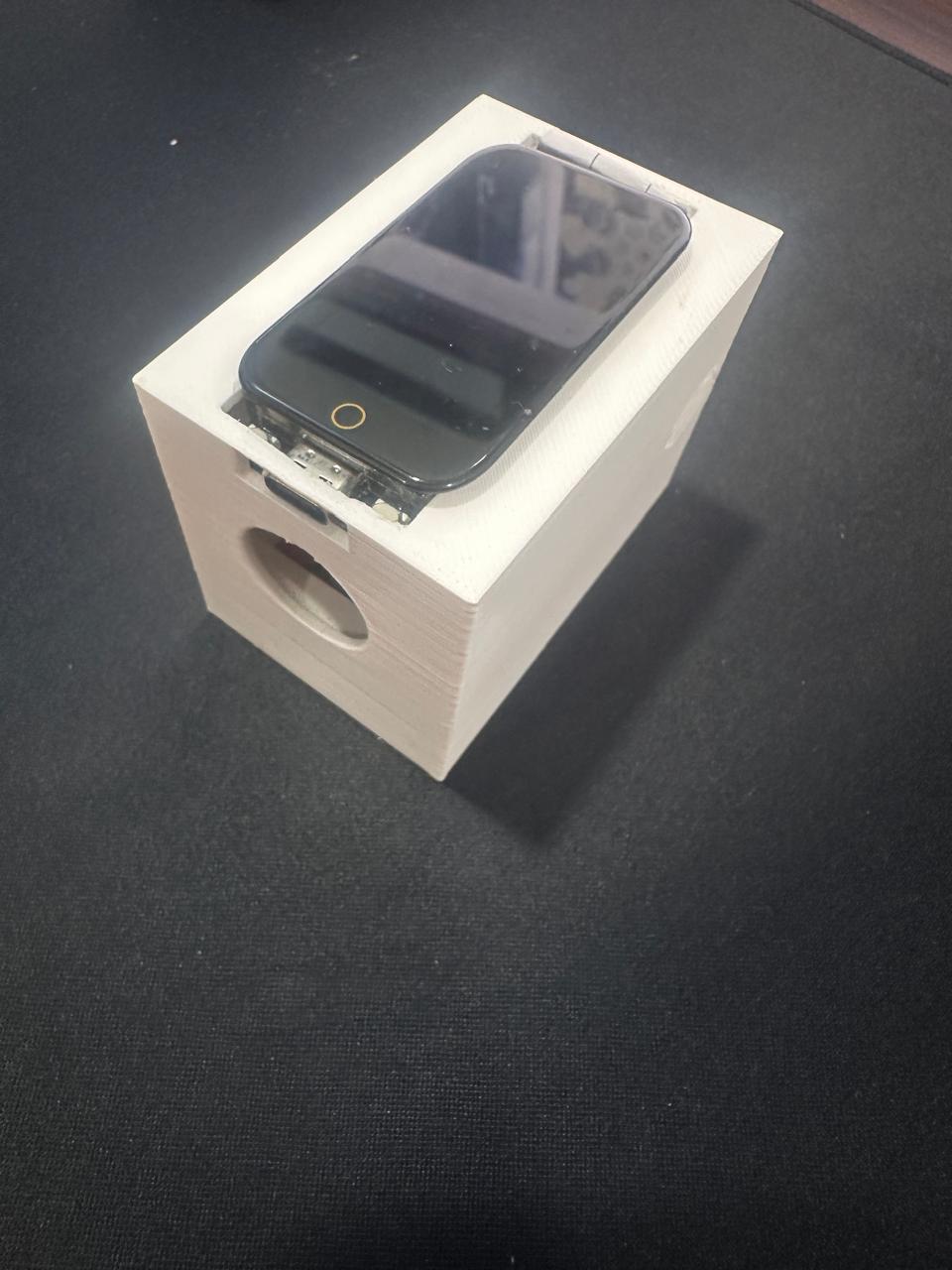
Meet Pixxivo X1: a real handheld prototype exploring non-invasive optical sensing, considered interactions, and responsible data interpretation.
Scroll naturally to reveal each layer. Cards stack smoothly in both directions, and you can jump directly to a chapter below.
FOLLOW THE BUILDAn actual device for discovering ergonomic and workflow problems early.
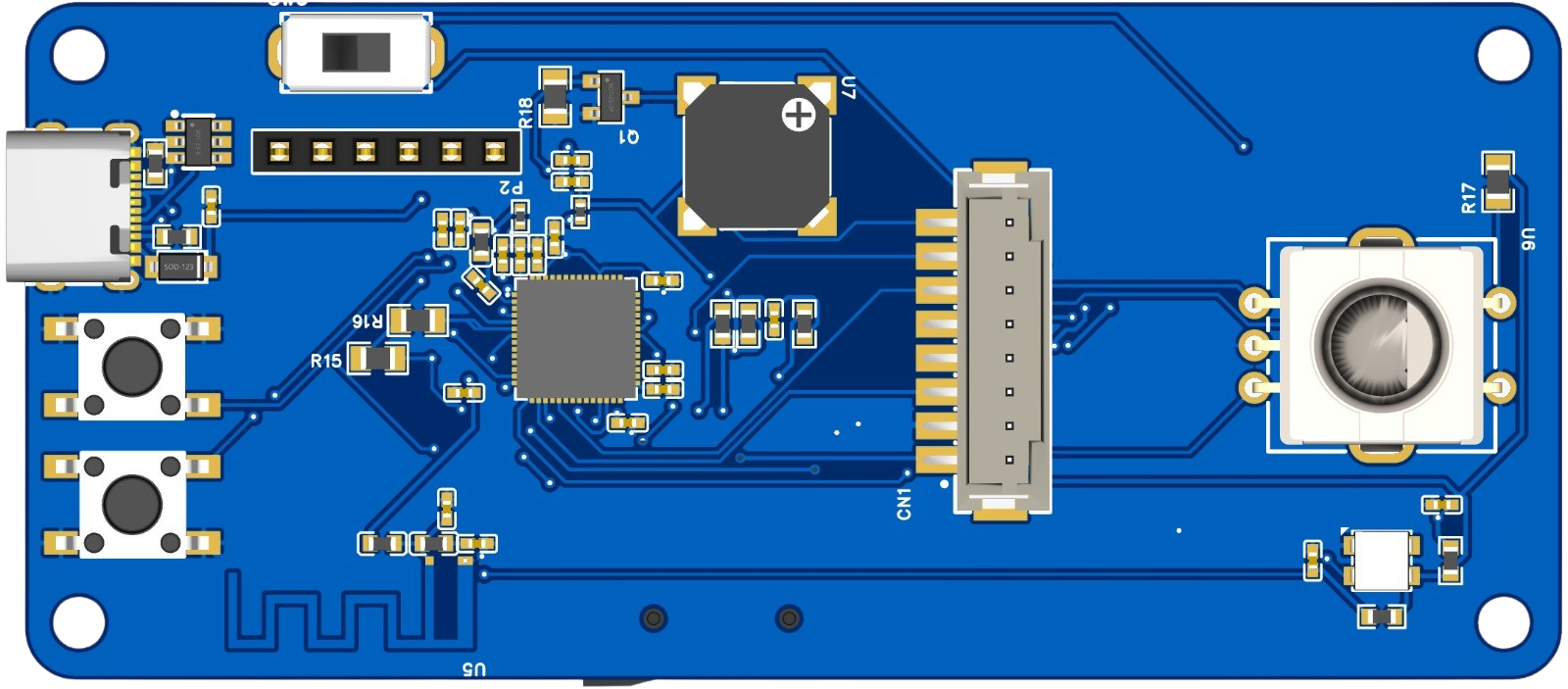
Compact custom electronics are an engineering direction, not a final validated medical platform.
Controlled measurements, repeated experiments and transparent limitations guide what comes next.
Product story
A rough prototype makes the invisible parts visible: grip, button flow, screen flow, cable layout, scanning time, and user trust.
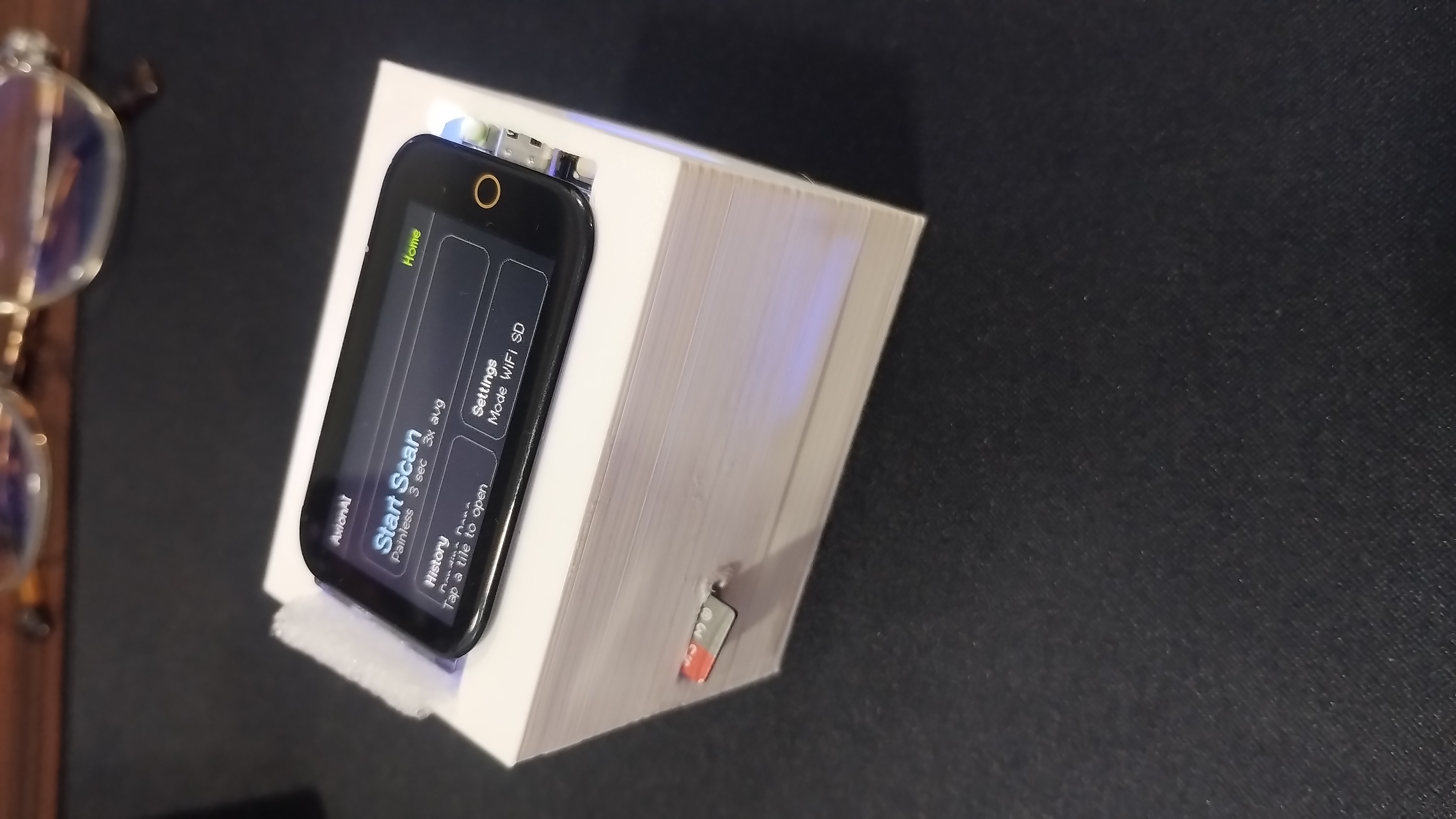 Early physical build
Used to explore the product interaction before miniaturizing the electronics.
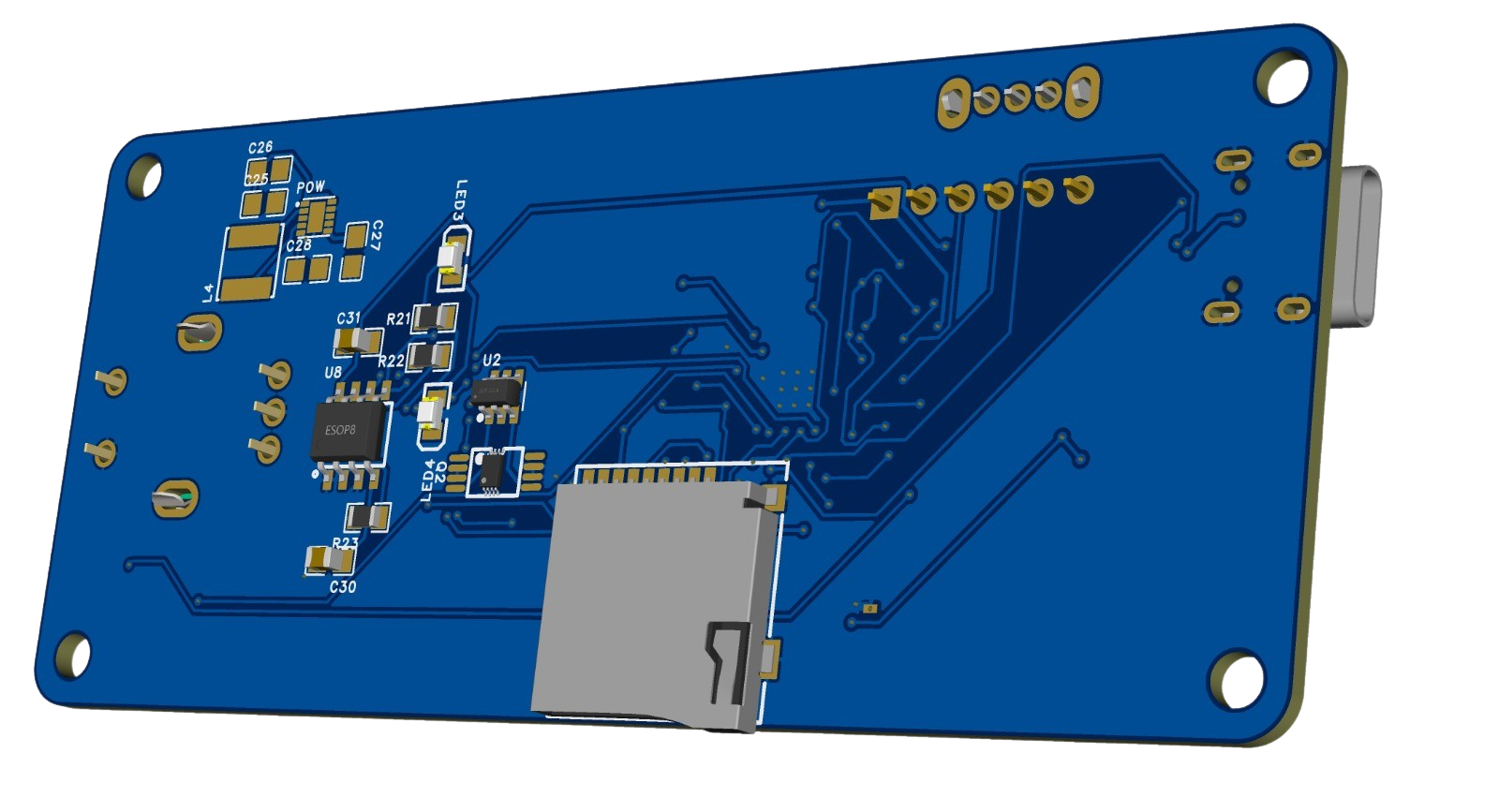 Next hardware direction
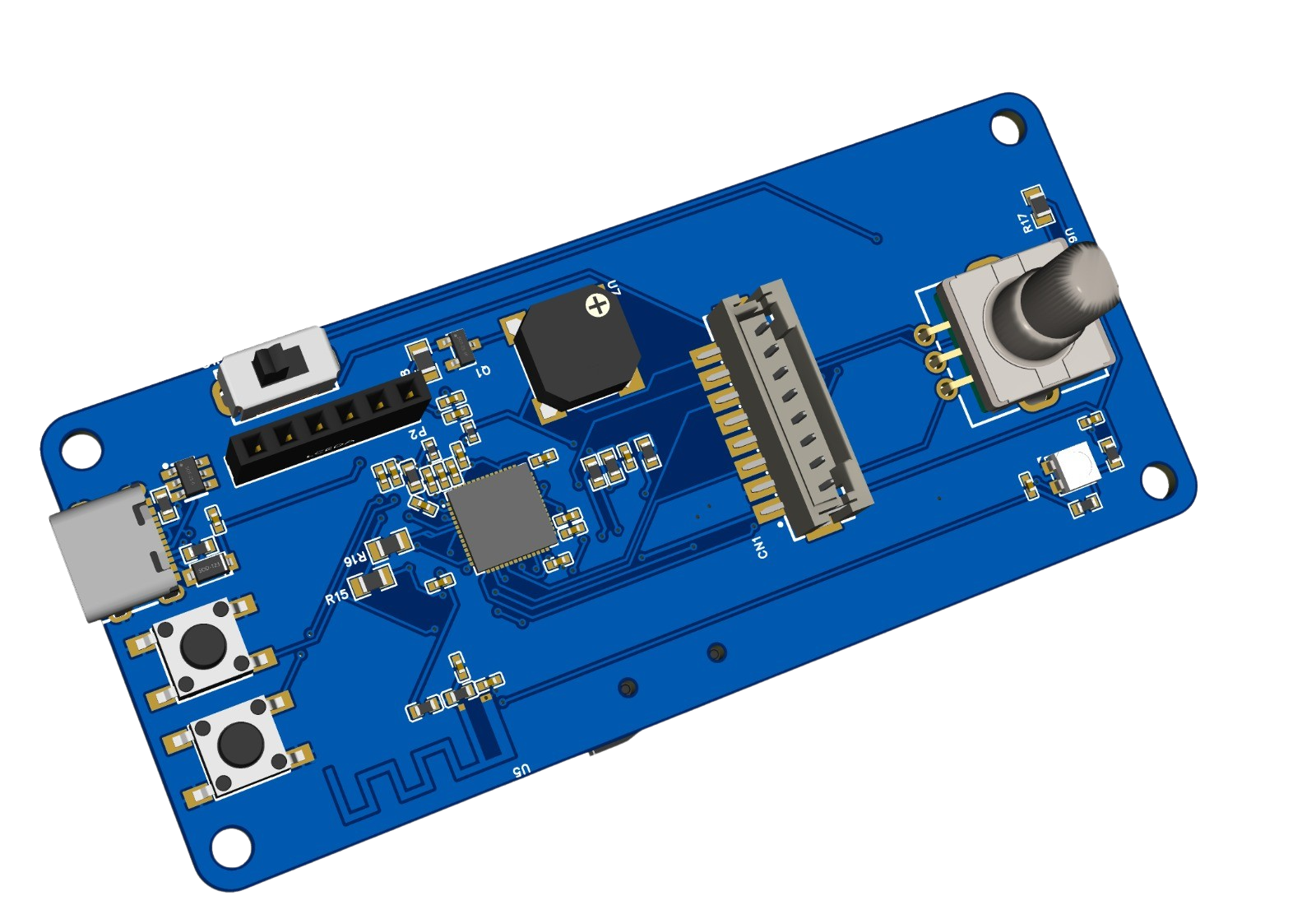
Designed to reduce mess, improve reliability, and support a cleaner enclosure.
Inside X1
X1 needs hardware, firmware, interface design, data capture, and responsible interpretation to work together.
Capture useful signals through a compact non-invasive setup.
Start scan, guide placement, show progress, save result.
Repeated readings make the system more useful over time.
Explain direction and patterns, not unsupported medical claims.
Explore a deliberately simplified optical-signal illustration. Change simulated light strength and motion interference to see how a synthetic waveform changes. No patient data, no real sensor readings and no health predictions.
Higher simulated illumination changes the amplitude of the synthetic signal.
Extra movement introduces distortion, illustrating why repeatable measurements are difficult.
Select a scenario or adjust either control to change the synthetic waveform.
Actual sensing performance requires controlled experiments, calibration, suitable reference measurements, and independent validation. This visualization uses generated mathematics, not Pixxivo measurements.
READ THE RESEARCH QUESTIONS ↗Prototype archive
Prototype body
Form experiment
PCB render 01
PCB render 02
PCB render 04
Updates from the actual engineering journey. These are development notes, not user reviews or product-performance claims.
Roadmap
Move from rough prototype wiring to a more compact PCB-based build.
Improve stability and repeatability before serious interpretation.
Compare readings with trusted references before making strong claims.
Make history, trends, and result labels understandable for real users.
Build with us